
- It can damage your brand’s reputation.
- It can frustrate customers who were counting on timely service.
- It can even cost you future contracts because reliability is everything in logistics.
And here’s the harsh truth:
In most cases, these delays aren’t caused by bad drivers or poor planning. They happen because fleet managers can’t see exactly where their vehicles are in real time.
Without real-time fleet monitoring, managing your trucks feels like trying to control traffic with your eyes closed.
You’re guessing where vehicles are, relying on calls or text updates from drivers, and reacting to issues only after they’ve already caused a problem.
That’s no way to run a competitive logistics operation.
This is why successful transport companies invest in a transport fleet management system — an all-in-one logistics management solution that lets you:
Track every vehicle on a live map
Manage drivers and schedules efficiently
Optimize routes to save time and fuel
Prevent problems before they affect deliveries
With the right fleet management system, you stop running your business on guesswork and start making data-driven, real-time decisions that keep your trucks moving, customers happy, and costs under control.
What Is Transport Fleet Management?
Transport fleet management is more than just keeping track of your trucks — it’s about creating a system where every delivery is on time, every route is optimized, and every resource is used efficiently.
At its core, it’s the process of organizing, tracking, and optimizing your fleet operations so that you can reduce costs, increase efficiency, and maintain the highest level of customer satisfaction.
Modern fleet management systems take this process to the next level by giving logistics companies powerful, real-time tools to stay ahead:
Track vehicles with fleet tracking software and vehicle tracking systems
Know the exact location of every truck on a live map, see route histories, and get alerts when delays happen — so you can respond before they become bigger problems.
Plan smarter with fleet optimization software
Automatically find the fastest, most fuel-efficient routes based on real-time traffic, weather, and delivery schedules. Less time on the road means more deliveries in a day.
Automate driver scheduling
Eliminate the back-and-forth calls and manual planning. With automated driver scheduling, you can assign trips based on availability, workload, and compliance rules — all in a few clicks.
Stay ahead with vehicle maintenance management
Prevent costly breakdowns by scheduling regular inspections, tracking service history, and getting alerts when vehicles are due for maintenance.
Measure and improve with fleet performance analytics
Monitor fuel usage, delivery times, idle hours, and driver behavior. Turn this data into actionable strategies to continuously improve delivery efficiency and reduce operational costs.
In short, fleet management isn’t just about knowing where your trucks are — it’s about using data-driven decisions to keep your logistics business running like a precision machine. The companies that master this gain a competitive edge, deliver faster, spend less, and build a reputation for reliability.
Why Logistics Companies Struggle Without It
In the fast-moving world of logistics, real-time fleet monitoring isn’t a luxury — it’s a necessity. Yet many companies still operate without it, and the consequences can be costly.
Here’s what happens when you don’t have a modern fleet management system in place:
Missed Deadlines
Without fleet tracking software or vehicle tracking systems, you’re left guessing where your trucks are and hoping they’re on schedule. If a driver gets caught in traffic or takes a longer route, you often find out only when it’s too late. This means late deliveries, unhappy customers, and a damaged reputation.
Higher Operating Costs
Poor route planning and long idle times burn extra fuel and waste valuable driver hours. Without fleet optimization software, you can’t identify and eliminate inefficiencies, and your fuel bill keeps climbing month after month.
Unexpected Vehicle Breakdowns
Skipping or delaying maintenance is a recipe for costly breakdowns. Without vehicle maintenance management, small mechanical issues go unnoticed until they become major repairs — leaving a truck off the road when you need it most.
Chaos When Scaling
As your business grows, so do the moving parts. More trucks, more drivers, more routes. Without automated driver scheduling and fleet performance analytics, scaling your operation just means scaling the chaos. Dispatchers get overwhelmed, communication breaks down, and mistakes multiply.
All these issues have one thing in common: they eat directly into your profits. And it’s not just about losing money — it’s about losing trust. When customers can’t rely on you for accurate ETAs and consistent service, they’ll find someone else who can deliver.
Logistics Management Solutions That Work
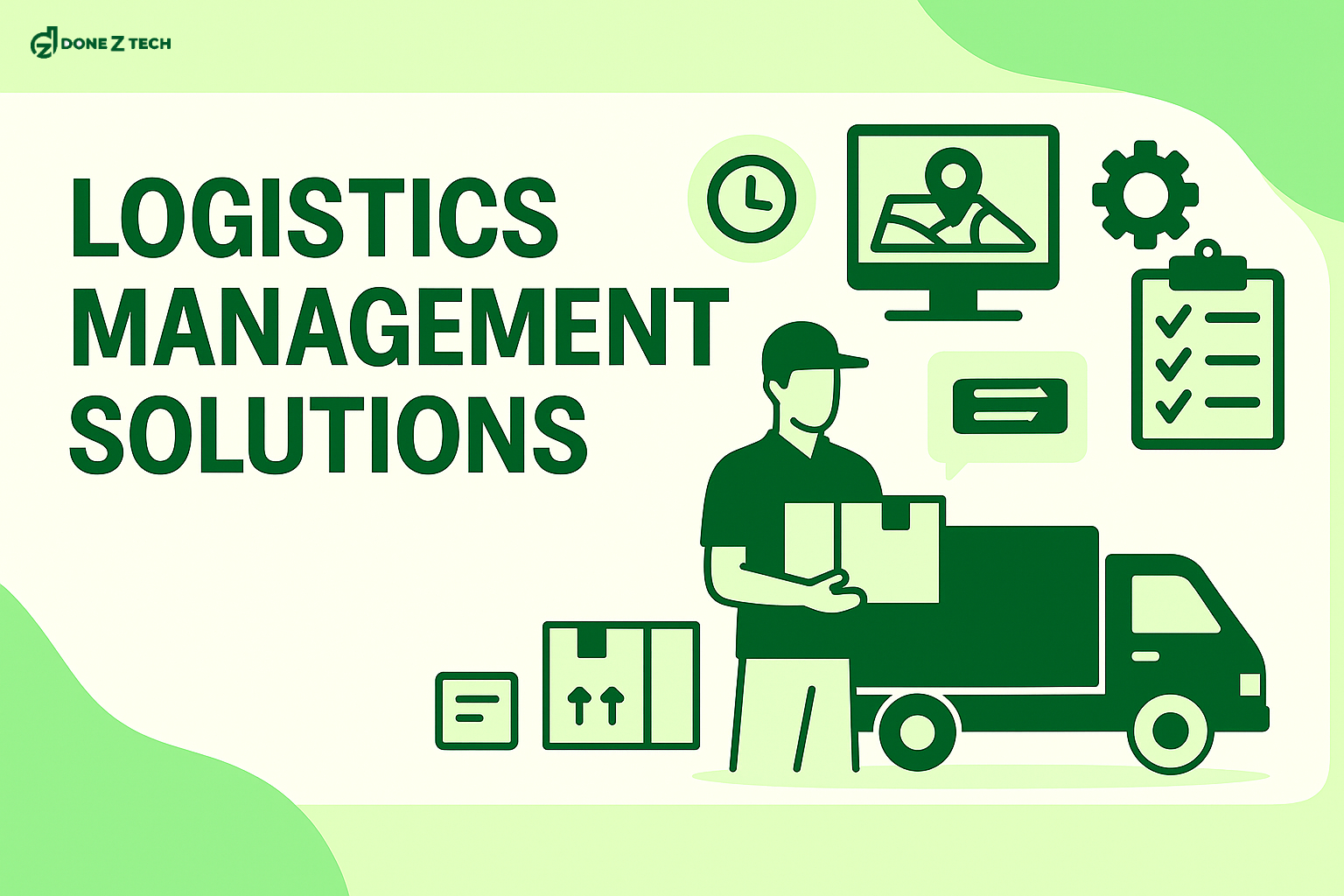
A strong transport logistics software isn’t just a tool — it’s the backbone of a smooth, efficient, and profitable logistics operation.
When implemented correctly, it solves the exact problems that slow down deliveries, drive up costs, and frustrate customers.
Here’s how:
1. Real-Time Fleet Monitoring
With real-time fleet monitoring, you can see every vehicle on a live map — down to its exact location.
If a driver gets stuck in traffic, you’ll know instantly and can reroute them before a minor delay turns into a major delivery problem. This level of visibility keeps you in control, no matter how many trucks you manage.
2. GPS Tracking for Trucks
A modern vehicle tracking system goes beyond location.
You can track vehicle speed, stops, and driving patterns with pinpoint accuracy. This
improves driver accountability, enhances safety, and gives you the data needed to reward top performers and coach underperformers.
3. Fleet Optimization Software
Fuel is one of the biggest expenses in logistics.
With fleet optimization software, you can plan the fastest, most fuel-efficient routes for every delivery. This not only improves delivery efficiency but also reduces wear and tear on vehicles — saving you money in the long run.
4. Vehicle Maintenance Management
Unexpected breakdowns are costly — both in repair bills and missed deadlines. Vehicle maintenance management ensures you stay ahead by scheduling preventive maintenance, tracking service history, and getting reminders for upcoming checks. The result? Fewer breakdowns, lower operational costs, and trucks that last longer.
5. Automated Driver Scheduling
Manual scheduling can lead to confusion, double bookings, or missed shifts. With automated driver scheduling, trips are assigned automatically based on driver availability, qualifications, and workload. This keeps operations running smoothly and ensures no delivery gets delayed because of scheduling errors.
6. Fleet Performance Analytics
You can’t improve what you don’t measure.
Fleet performance analytics gives you detailed reports on fuel consumption, idle time, delivery speed, and driver efficiency. These insights help you make smarter decisions, fine-tune operations, and keep getting better month after month.
When these features work together inside a fleet management system, your logistics operation runs like a high-performance engine — delivering faster, costing less, and keeping customers happy.
Benefits of Fleet Management in Logistics
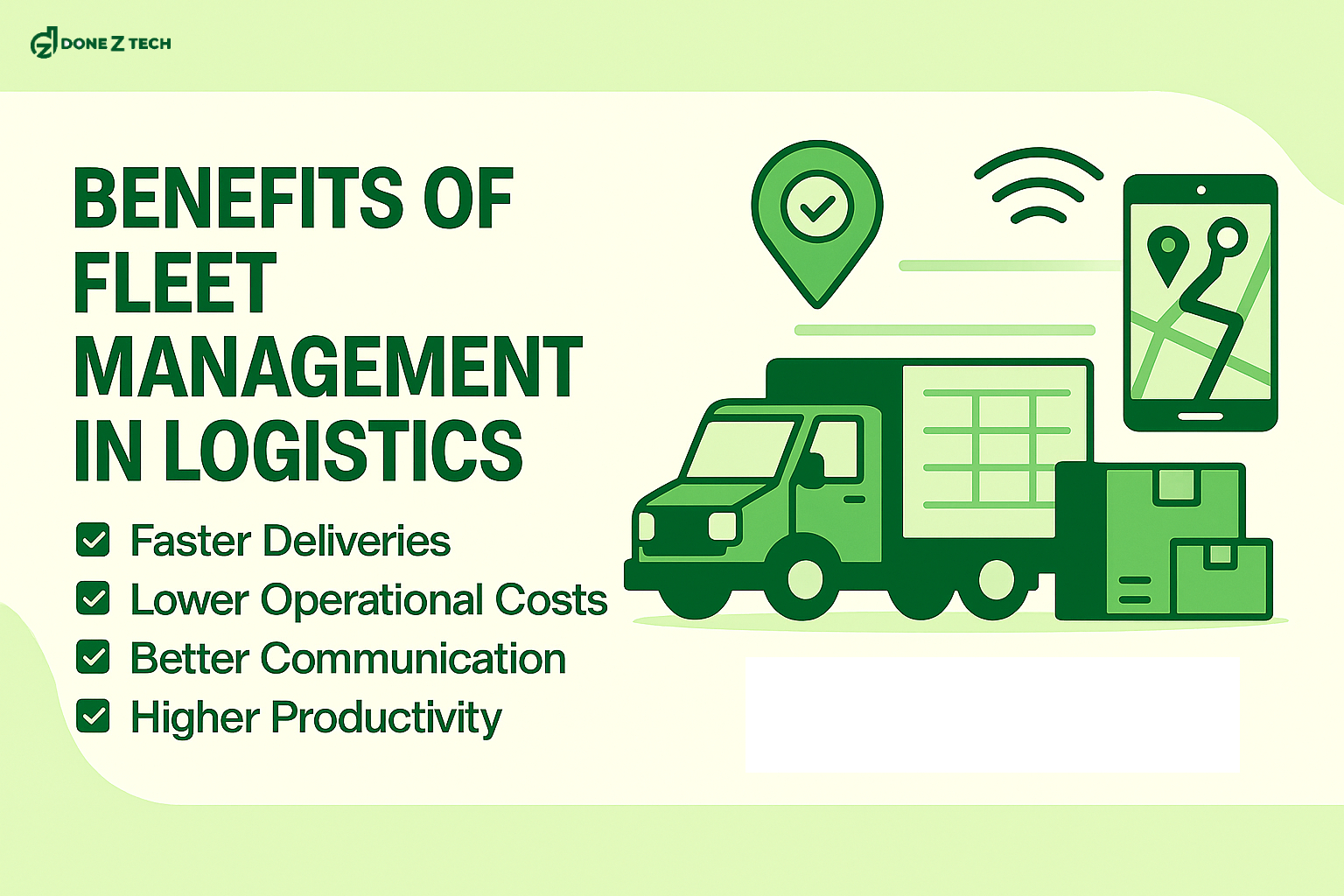
Investing in a modern fleet management system is more than just adding new technology to your business — it’s making a strategic decision to improve every part of your logistics operation.
Here’s what it delivers:
1. Faster Deliveries
When you combine real-time fleet monitoring, GPS tracking for trucks, and fleet optimization software, your deliveries naturally become faster and more reliable.
- Traffic delays? You can reroute instantly.
- Wrong turns? They’re spotted and corrected in real time.
- Multiple stops? Routes are planned for maximum efficiency.
Faster deliveries mean better customer satisfaction and a stronger reputation in the market.
2. Lower Operational Costs
A fleet management system helps reduce fleet operational costs by cutting waste in multiple areas:
- Fuel – Optimized routes use less fuel.
- Repairs – Preventive maintenance reduces expensive breakdowns.
- Labor – Automated scheduling reduces overtime and idle hours.
These savings go straight to your bottom line without compromising service quality.
3. Better Communication
One of the biggest challenges in logistics is keeping everyone on the same page. With logistics management solutions, dispatchers, drivers, and customers all get accurate, real-time information.
- Dispatchers know exactly where every truck is.
- Drivers receive clear instructions without back-and-forth calls.
- Customers get precise ETAs and status updates.
Clear communication means fewer mistakes, fewer delays, and happier customers.
4. Higher Productivity
A strong transport fleet management strategy lets you handle more deliveries without adding more vehicles.
How?
- Smarter scheduling ensures every truck and driver is used efficiently.
- Downtime is minimized with proactive maintenance.
- Data from fleet performance analytics helps fine-tune operations for continuous improvement.
More deliveries per truck means more revenue with the same resources.
How to Improve Logistics with Fleet Management
Implementing a transport fleet management system isn’t just about installing new software — it’s about creating a smarter, more connected operation where every truck, driver, and delivery works together efficiently.
Here’s the step-by-step process that successful logistics companies follow:
1. Install Fleet Tracking Software and GPS Devices
The foundation of better logistics is fleet tracking software paired with GPS tracking for trucks.
This setup lets you see your entire fleet on a live map, track vehicle movement, and get instant alerts for delays, speeding, or route changes.
2. Use Real-Time Fleet Monitoring to Track Vehicles
With real-time fleet monitoring, you’re no longer guessing where your trucks are. You can track locations, identify idle time, and respond to traffic issues instantly — preventing small problems from becoming major delays.
3. Plan Routes with Fleet Optimization Software
Fleet optimization software takes into account delivery locations, traffic conditions, and time constraints to plan the fastest, most fuel-efficient routes.
This reduces fuel costs, improves delivery efficiency, and increases the number of trips completed in a day.
4. Keep Up with Vehicle Maintenance Management
Unexpected breakdowns cause expensive delays.
Vehicle maintenance management helps you schedule preventive service, track repairs, and get reminders for upcoming inspections — keeping your fleet road-ready at all times.
5. Monitor Progress Through Fleet Performance Analytics
Data is your competitive edge.
With fleet performance analytics, you can monitor delivery times, fuel consumption, idle hours, and driver performance. These insights help you spot inefficiencies and take targeted action to fix them.
6. Adjust Strategies to Keep Improving
The most successful companies don’t just set up a fleet management system and forget it. They use the data to make continuous improvements — adjusting routes, fine-tuning schedules, and refining maintenance plans to reduce fleet operational costs and boost customer satisfaction.
The best fleet management system for transport companies isn’t just a tracker — it’s a complete logistics management solution.
By combining real-time tracking, route optimization, automated scheduling, and analytics, you can:
Improve delivery efficiency
Reduce fleet operational costs
Boost customer satisfaction
Book a demo of our fleet management system today — and take control of your logistics like never before.
Improve Logistics with Transport Fleet Management Systems